Money · Money
Fourth-Quarter Estimated Taxes: What Business Owners Should Pay by January 15, 2027
The last 2026 estimated tax payment is due in January. Here is how to size it, which safe harbor to use and how to keep cash ready.
- (Author)
- Callum Reyes
- (Published)
- (Reading)
- 7 min
- (Section)
- Money
In this guide 6 sections
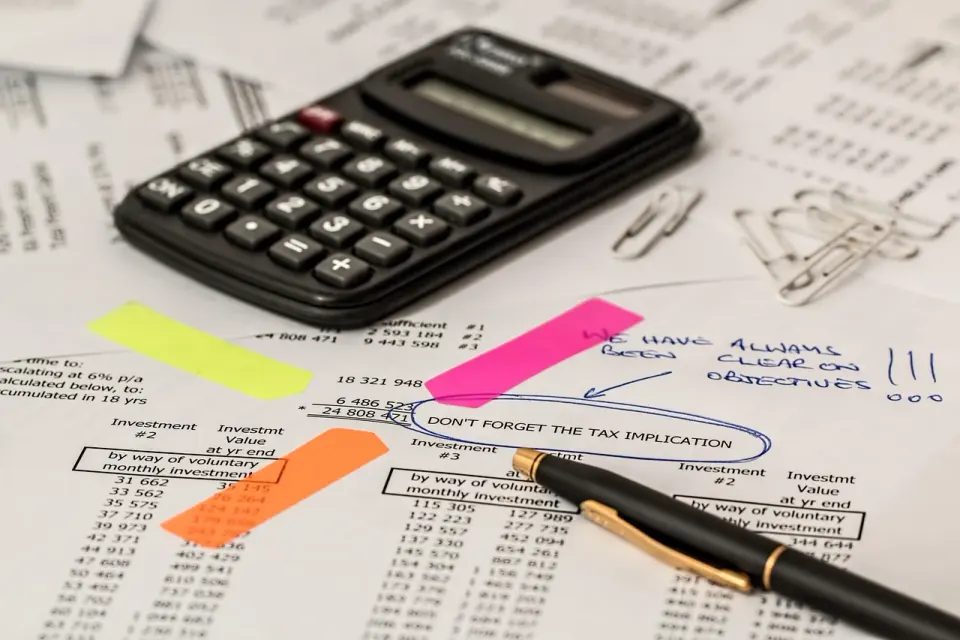
The fourth estimated tax payment for 2026 is generally due on January 15, 2027. Most owners avoid the underpayment penalty by paying at least 90% of this year's tax or 100% of last year's, whichever is smaller. Run a year-to-date profit report now, estimate your tax and set the cash aside before December.
Many small business owners think about taxes in April. The Internal Revenue Service (IRS) wants a share much earlier. If you are a sole proprietor, partner or S corporation owner, you may owe estimated payments in four installments, and the last one is due in January.
This guide is for owners who pay estimated taxes on business profit and want to size the final 2026 payment without guessing. It covers who has to pay, the safe harbor rules that avoid penalties, a simple way to estimate the payment and how to plan cash. Emazoo covers money, operations and tools for small companies, and cash set aside for taxes is one of the first things that gets spent by accident. This is general information, not tax advice.
Who Has to Pay Estimated Taxes at Year-End
The IRS says in its guide to estimated taxes that individuals generally need to pay if they expect to owe $1,000 or more when their return is filed. Corporations use a $500 threshold. If you have no employer withholding on your business income, nobody is sending tax to the IRS for you.
Sole proprietors, partners and S corporation shareholders usually pay through Form 1040-ES. A single-member LLC taxed as a sole proprietorship is in the same position. C corporations have their own schedule and rules, so check with your accountant.
The tax you owe includes income tax and self-employment tax, which covers Social Security and Medicare for the self-employed. If your profit rose in 2026, last year's payment may be too small. If it fell, you may be overpaying.
Each of the four payment periods has its own due date. For calendar-year taxpayers, the payment for the fourth period is generally due on January 15 of the following year, which is January 15, 2027, for 2026 income. Confirm the date for your situation on the IRS page for Form 1040-ES.
Which Safe Harbor Avoids the Underpayment Penalty?

Two main rules protect most owners. According to the IRS page on the penalty for underpayment of estimated tax, you generally avoid the penalty if you owe less than $1,000 after withholding and credits, or if you paid at least 90% of the current year's tax or 100% of the prior year's tax, whichever is smaller.
A third rule applies to higher-income taxpayers. If your adjusted gross income in the prior year was above $150,000, the prior-year safe harbor is typically 110%, not 100%. Check IRS Publication 505 on tax withholding and estimated tax for the details of your situation.
The safe harbors give you two ways to think about the final payment. The prior-year method is easy. Take last year's total tax, divide it by four, and make sure you paid that much each quarter. The current-year method is more precise but needs a good profit estimate.
Keep a copy of last year's return handy. The total tax line is the number you need for the prior-year method, and it is easy to misread if you use adjusted gross income or taxable income by mistake. When in doubt, ask your preparer which line to use.
The prior-year method works well when profit is rising, because you avoid the penalty even if you underpay this year. You may still owe a large balance in April. Plan for that bill, even if no penalty applies.
How Do You Estimate the Fourth-Quarter Payment?
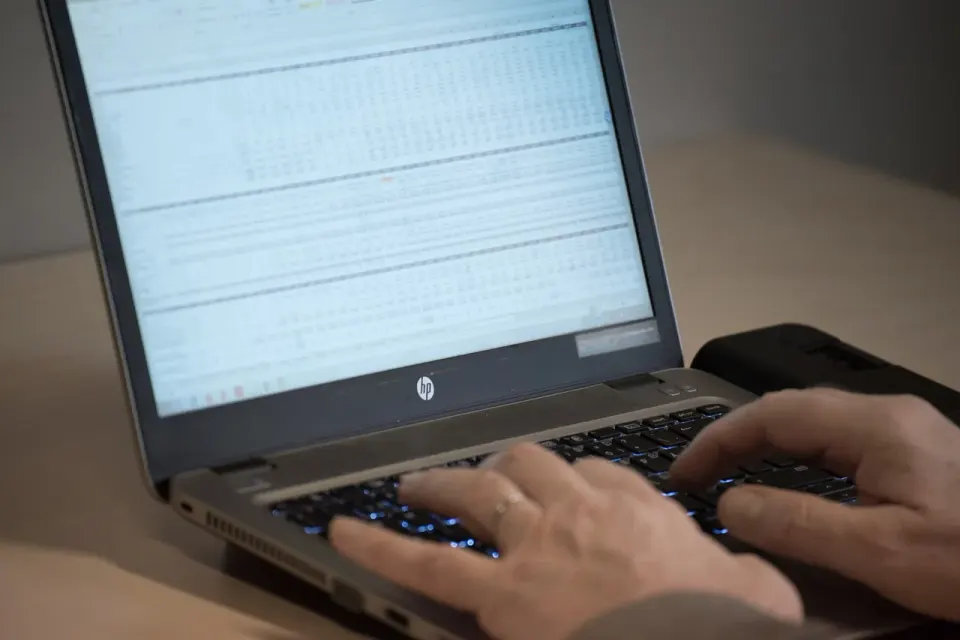
Start with a year-to-date profit and loss report, then project the rest of the year. Take the net profit, subtract the deductions you expect, and apply your tax rates. Then subtract what you have already paid in the first three installments.
Be honest about slow weeks. Owners often project December sales from a strong November and end up overpaying, or the reverse. Use last year's monthly pattern, adjust for known changes such as a new product or a lost client, and write down the assumptions so you can review them in April.
Use these steps to get a workable number:
- Run a profit and loss report from January 1 through the end of October.
- Add your estimate for November and December, using last year's seasonal pattern.
- Subtract planned deductions, such as retirement contributions and equipment purchases.
- Estimate income tax and self-employment tax on the result.
- Subtract the payments you made in April, June and September.
The remainder is your target for the fourth installment, unless you choose a safe harbor that is lower. Bookkeeping software makes the first step easy, and our guide to whether your QuickBooks Online plan is still worth the renewal can help you judge your tools before year-end.
Equipment purchases can lower taxable profit. Our guide to Section 179 and bonus depreciation for year-end equipment buying explains the rules. Do not buy equipment only to save tax, since the cash still leaves your account.
If your income is uneven, such as a seasonal store that earns most of its profit in November and December, the annualized income method may lower your earlier payments. The IRS points to Form 2210 for that calculation.
Contractor Payments and Records That Affect the Number
Your tax estimate is only as good as your records. Make sure every invoice, expense and contractor payment is entered before you run the report. Missing expenses inflate profit, and an inflated profit leads to an inflated payment.
Pay attention to contractor payments. The reporting threshold for contractor forms rose to $2,000 for payments made in 2026, as we explain in our guide to the $2,000 1099 threshold. A higher threshold does not change whether a payment is deductible. Keep invoices and W-9 forms for every contractor, even those below the reporting line.
Check payroll too. If you have employees, your payroll deposits are a separate obligation, and they are not part of estimated tax. Keep the two cash buckets apart so a tax payment never delays a paycheck.
Also separate personal and business spending. Mixed accounts make it hard to see real profit, and they make an audit harder. If you have not opened a business account, open one in January and move all business income and expenses into it.
Reconcile your bank and card accounts through October before you rely on the profit report. A reconciliation takes an hour for a small business and can catch duplicate entries, missed deposits and misfiled expenses.
How to Keep Tax Cash Ready

Set aside tax money as you earn it. A common starting point is 25% to 30% of net profit for combined income and self-employment tax, but your rate depends on your income, filing status and state. Move that share into a separate savings account every time a customer pays you.
This habit turns a January payment into a transfer, not a scramble. Our guide to business email compromise and payment verification also applies here. Tax scams that imitate the IRS rise near deadlines, so pay only through IRS channels you opened yourself.
You can pay online through your IRS online account, by debit or credit card through approved processors, or by mail with Form 1040-ES. Businesses can use the Electronic Federal Tax Payment System in some cases. Schedule the payment a few days before the deadline, and save the confirmation.
If cash is short, pay what you can by the deadline. A partial payment reduces the penalty, and the IRS offers payment plans for the rest. Filing late costs more than paying late, so do not skip a payment because you cannot cover all of it.
Do Not Forget State Estimated Taxes
Most states with an income tax also require estimated payments. Due dates and safe harbor rules differ, and some states follow the federal schedule while others do not. Check your state revenue department's website for the 2026 fourth-quarter due date.
If your business operates in more than one state, you may owe in each of them. Sales tax is a separate matter, and economic nexus rules can create filing duties in states where you have no office.
At Emazoo, our editors suggest putting the federal and state due dates on one shared calendar with a reminder two weeks ahead. Missing the payment is rarely a money problem. It is usually a calendar problem.
After the deadline, file your payment confirmation with your tax records. In April, you will reconcile everything on your return, and any overpayment can be refunded or applied to next year. A clear record of what you paid, and when, saves time and stress.