Selling Online · Selling Online
Amazon FBA Fee Changes for 2027: What Small Sellers Should Do Before January 15
Amazon's average fulfillment fee rise is $0.19 a unit, but the spread runs from big cuts to 50 percent jumps. Here is how to find your number and reprice.
- (Author)
- Leila Haddad
- (Published)
- (Reading)
- 8 min
- (Section)
- Selling Online

In this guide 8 sections
The Amazon FBA fee changes for 2027 add an average of $0.19 per unit to fulfillment fees from January 15, 2027. Small, light items priced above $50 pay about $0.70 more, and five categories lose Low-Price FBA rates under $10. Check every SKU in Amazon's Revenue Calculator and reprice before that date.
Amazon announced the new schedule on November 5, 2026, in the middle of the holiday rush. This guide is for small sellers who ship from Amazon warehouses and need to know which products get hit, what the new numbers look like and how to protect margin. Emazoo covers the business side of selling online, so we stick to arithmetic you can check against your own listings.
The stakes are real. The Census Bureau's quarterly retail e-commerce report put third-quarter 2026 online sales at $347.3 billion, or 17.9 percent of all retail sales. More of your competitors are selling online each quarter, which leaves less room to absorb a fee increase quietly.
What the 2027 FBA Fee Changes Include and When They Start
The fulfillment fee is what Amazon charges to pick, pack and ship each unit from its warehouses. According to PPC Land's report on the announcement, Amazon told sellers the average rise is about 0.8 percent of the average item's selling price. That sounds small until you look at the spread underneath it.
Three dates matter. Fulfillment fee changes, the new size tiers and the narrower low-price rules take effect on January 15, 2027, the day after the holiday peak fee period ends. A second group starts on February 1, 2027, including the new storage structure and a revised low-inventory-level fee. Age-based storage pricing in Amazon Warehousing and Distribution follows on March 1, 2027.
The 3.5 percent fuel and logistics surcharge that Amazon added in April 2026 stays at the same rate. Every fee in this article excludes it unless we say otherwise, so add 3.5 percent to see your true cost.
How Much Will FBA Fulfillment Fees Rise by Price Band?

Amazon sets a fulfillment fee from three things: the size tier, the shipping weight and, for standard-size goods, the price band. The bands are under $10, $10 to $50 and over $50. Small standard-size items priced over $50 rise by $0.70 on average, and items from $10 to $50 rise by $0.40.
The table below shows non-apparel rates for small standard-size items in the $10 to $50 and over $50 bands, before the fuel surcharge.
| Weight | $10-$50 in 2026 | $10-$50 in 2027 | Over $50 in 2026 | Over $50 in 2027 |
|---|---|---|---|---|
| 2 oz or less | $3.32 | $3.75 | $3.58 | $4.31 |
| 4+ to 6 oz | $3.45 | $3.92 | $3.71 | $4.47 |
| 8+ to 10 oz | $3.68 | $4.06 | $3.94 | $4.62 |
| 14+ to 16 oz | $3.96 | $4.32 | $4.22 | $4.88 |
Large standard-size items behave differently. Under $10, their fees stay the same. From $10 to $50, they rise by only $0.06 to $0.19. Above $50, they rise by $0.36 to $0.50. A large standard-size item just over one pound and priced above $50 moves from $5.30 to $5.75.
The price cliff gets steeper too. In 2027 the premium for crossing $50 is about $0.55 per unit on every non-apparel row, more than double the $0.26 gap in 2026. A small item weighing 2 to 4 ounces pays $3.78 at $50.00 and $4.34 at $50.01, according to PPC Land's reading of the rate cards.
Which Products Lose Low-Price FBA Rates?
Low-Price FBA is the discounted fulfillment rate for items under $10. From January 15, five fee categories no longer qualify and pay the $10 to $50 rates instead: Automotive and Powersports, Compact Appliances, Musical Instruments and AV Production, Media (books, DVDs, music, software and video) and Computers. Every other category keeps the discount automatically.
This is the biggest change for low-priced goods. A DVD priced at $9.99 in a small standard-size box of 2 to 4 ounces pays $2.49 today and $3.78 from January 15. That is a rise of $1.29, or 51.8 percent. Add the surcharge and the 2027 fee is about $3.91, which is roughly 39 percent of the shelf price before any referral fee.
A paperback priced at $7.99 and weighing 8 to 12 ounces climbs from $3.38 to $4.26. That is $0.88 more per unit. On 10,000 units a year, the gap is $8,800 before the surcharge, and it comes straight out of a product that already runs on thin margins.
If you sell in one of those five categories under $10, the honest options are to raise the price above $10, bundle items, or move that SKU to another channel. Do the math per SKU before you decide.
What Changes for Bulky and Oversize Products?
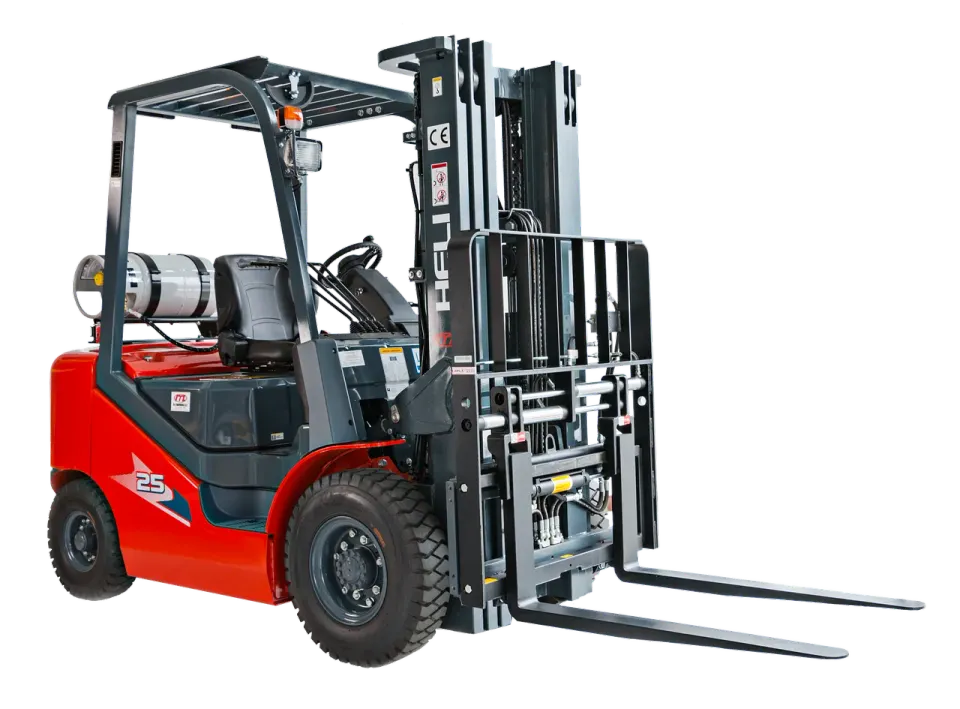
Larger products get a new system, not a small adjustment. Per PPC Land, Amazon replaces two bulky tiers with four, and four extra-large tiers with six oversize tiers defined mostly by length. The overmax handling fee goes away, and two new handling fees take its place.
The results split sharply. A 65-inch television box falls from $48.57 to $36.55. A 97-inch bulletin board rises from $50.93 to $69.75. Sellers of very long items, or wide flat ones that exceed the new girth limits, can pay more than a third extra in two of Amazon's own examples.
Amazon also uses the greater of unit weight and dimensional weight for most tiers. Dimensional weight is length times width times height in inches, divided by 139. A light but bulky box can be billed like a heavy one, so trimming the packaging by an inch can lower a fee. Damage in transit adds cost on top, which is why our guide to lost and damaged package claims for small sellers is worth a read before the January returns wave.
How to Reprice Your Listings After the 2027 Fee Increase

Start with the per-unit change, including the surcharge. Take a $24.99 item in the 4 to 6 ounce small standard row. The fee goes from $3.45 to $3.92, or from about $3.57 to $4.06 with the surcharge. That is $0.49 more per unit, or about 2 percent of the price. At 5,000 units a year, it costs $2,450.
Now take a $52 item in the same weight row. The fee goes from $3.71 to $4.47, or from about $3.84 to $4.63 with the surcharge. The rise is $0.79 per unit, roughly 1.5 percent of the price. At 2,000 units a year, that is about $1,580.
Next, check the $50 line. If a product sits at $50.99, the fee gap against $49.99 is $0.55 on a 4 to 6 ounce item, so a $1 price cut can pay for itself. The catch is that Amazon's documents do not say whether the band uses list price or the price after a coupon, so test one SKU before changing many.
When you raise prices, think about how the listing looks next to competitors and how holiday deals affect your history. Our breakdown of Amazon's 365-day price history and holiday pricing explains why a quick bump can hurt conversion. Payment fees stack on top too, as our look at payment processing fees on a $50 order shows for sales outside Amazon.
How Do You Check Which of Your Products Are Affected?
Use the two tools Amazon points to. The Fee Change Comparison dashboard inside Profit Analytics shows the effect at account and product level, and the Revenue Calculator models a single product. Together they show your exposure in minutes, which beats guessing from a headline average.
Work through your catalog in this order:
- Export your active SKUs with price, size tier and weight.
- Flag every item priced under $10 in the five categories that lose Low-Price rates.
- Flag small items priced above $50, which see the largest percentage increases.
- Re-check bulky and oversize items against the new tiers.
- Reprice, bundle or retire the SKUs where the fee is now above 40 percent of the price.
Keep a copy of the before and after numbers. You will want them when you review January sales against your forecast.
Keep Your Records Ready for Tax Time
Higher fees change your cost of goods, so your books should show them cleanly. Fulfillment, referral and storage fees belong in separate lines, which makes it easy to see which one moved your margin. A tidy ledger also helps when the 1099-K arrives.
The Internal Revenue Service (IRS) explains that Form 1099-K reports payments from marketplaces once they exceed $20,000 across more than 200 transactions. The IRS also says you must report all income whether or not you receive the form. The form reports payments received, not profit, so your fee records are what bring the taxable number back down to earth.
The Bottom Line on the 2027 FBA Fee Changes
The headline $0.19 hides winners and losers. Sellers of small, pricey goods and low-priced media, computer and auto items face the sharpest increases, while some large, heavy goods get cheaper. Run the numbers per SKU, fix the worst listings first, and give yourself time before January 15.
Emazoo will keep following the fee schedule as Amazon publishes more detail. Fact-checked as of November 23, 2026, against Amazon's November 5 announcement as reported by PPC Land. This article is general information, not tax or legal advice.